In the 1970s, Japanese brands like Toyota, Sony and Mitsubishi exploded on the scene and went onto become household names in the West and around the world. “Made in Japan” became synonymous with quality and excellence. The secret to this success was a process innovation called “Just in Time”. The innovation got its name from the practice of delivering parts to a manufacturing station just as they were required. This description, however, doesn’t do justice to the true innovation. In the Japanese “Just-in-Time” approach, there were two key differences compared to traditional Western approaches. First, every worker in the assembly line was empowered to stop the entire process if they saw an improvement was required. This was different from the traditional Western approach where each stage was to optimize their own area as much as they could. Secondly, in contrast to the Western approach where each stage of the manufacturing process - be it design, procurement, inventory, etc. – was managed in its own silo, the Japanese process considered the entire manufacturing process end-to-end as one holistic system. Hence, design was integrated into manufacturing as was inventory, procurement and, importantly, quality.
So why is this relevant to MSPs?
The first innovation from the “Just-in-Time” process that MSPs can adopt is to ensure that each consultant deployed to a project collects potential improvements and transfers them as best practices to the entire organization. The second innovation that MSPs can adopt is particularly relevant to project managers who must determine the right level of resources when determining project schedules and allocations. To explain further, consider an MSP that has a mix of IT projects, some of which require specialized networking skills.
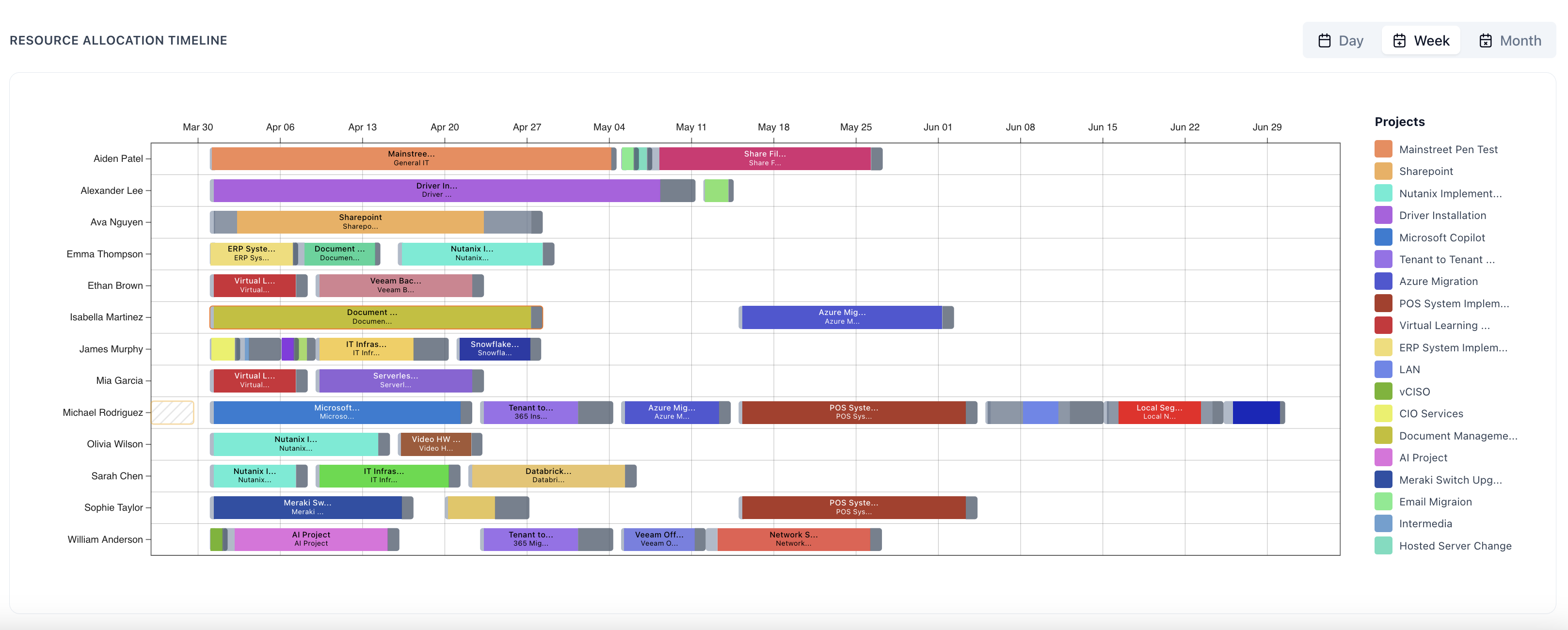 Figure 1: Schedule Allocation with One Networking Specialist
Suppose further that this MSP only has one resource with this skill. Let this specialized resource be Michael Rodriguez in the Gannt chart shown in Figure 1. In this chart it is clear that Michael Rodriguez (the networking specialist) has a long queue of jobs ahead of him. This can mean that customers will have to wait longer than acceptable for their projects. One answer, of course, is to consider hiring another networking specialist by balancing the tradeoff between improving customer service and the additional cost. Considering only the networking projects may lead to only a small change in the delivery schedule to customers since only a small set of projects is being considered. This could potentially make it seems that it is not worthwhile to hire an additional resource, given the cost involved. But if you take a holistic system view of hiring an additional networking specialist and develop an optimal schedule, what you find (as shown in Figure 2) is that scheduling bottlenecks are removed and utilization increased across all the resources, creating a tighter allocation. This is a very different cost benefit analysis than simply considering networking projects in isolation.
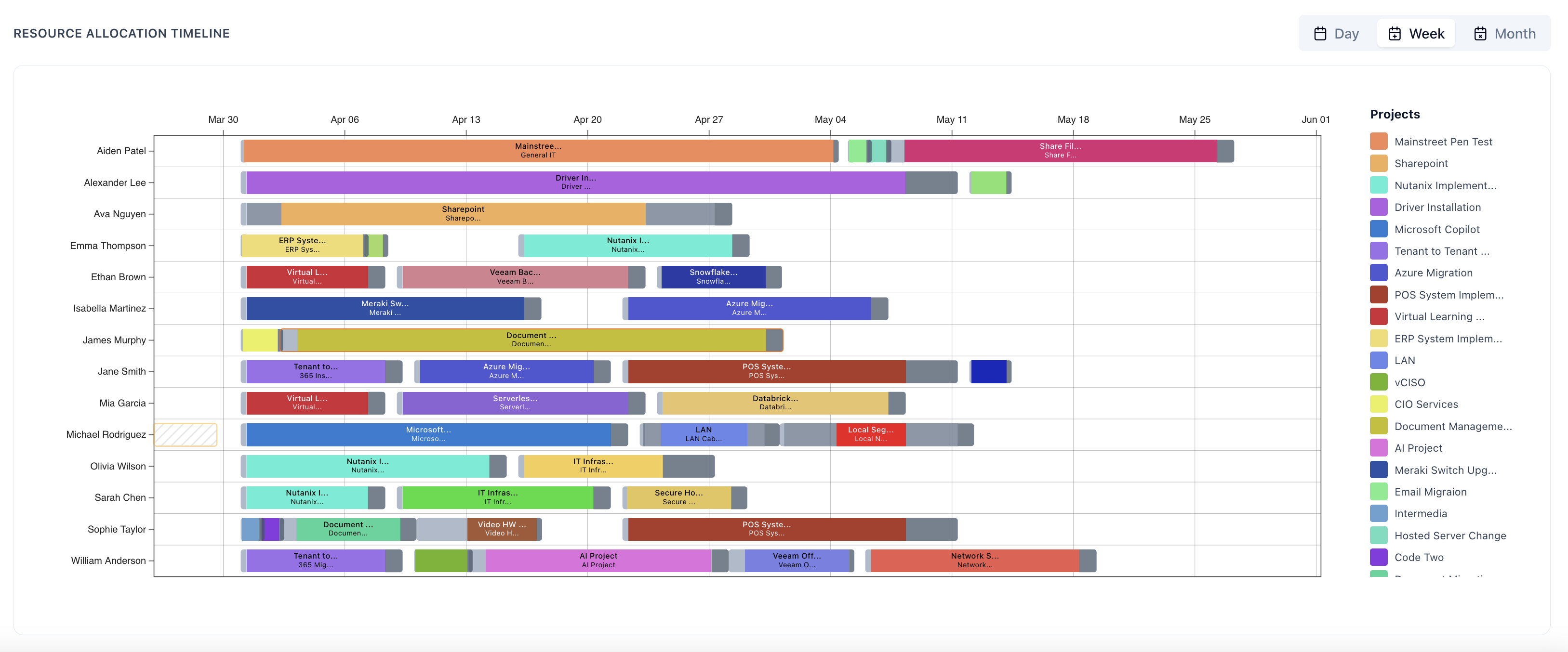 Figure 2: Increased Utilization from an optimal allocation with a 2nd networking resource
The challenge to adopting these learnings from the Japanese innovations in process management to improving MSP operational efficiency is that it requires the right systems. Using spreadsheets, for example, makes it extremely difficult to reoptimize the whole system when a change (such as hiring a new networking specialist) is made. This is where Red Swift can help. We are purpose built to help MSPs optimize project scheduling operations in ways that spreadsheets simply cannot. Let us know if you’d like to learn more.
{{ c.body }}